Why Smash Is the Script Font Your Projects Are Missing
Finding the right creative font is often the most challenging part of a design project. You need a typeface that communicates personality without sacrificing clarity, and one that feels authentic rather than overused. Enter Smash, a handwritten script font that bridges the gap between casual charm and professional utility. It’s not just another display font; it’s a versatile design asset designed to bring a human touch to modern typography. If you have been searching for a typeface that balances great readability with distinct style, Smash offers a solution that works across a surprising variety of applications.
The Visual Appeal of a Handwritten Masterpiece
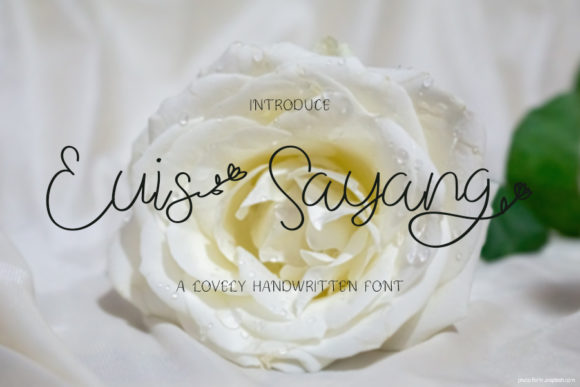
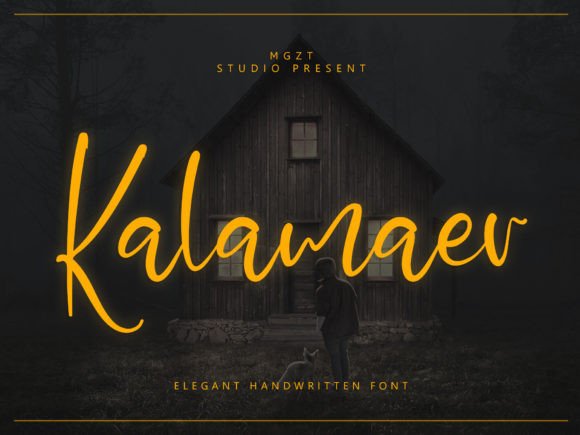
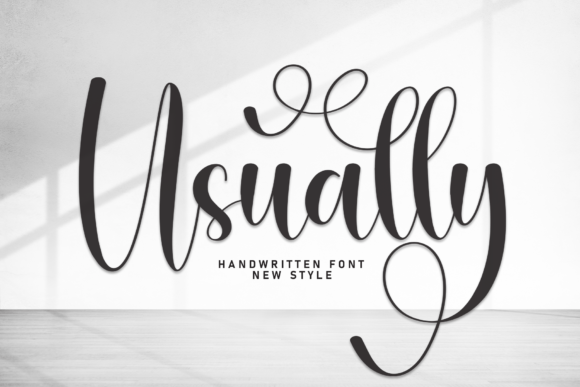
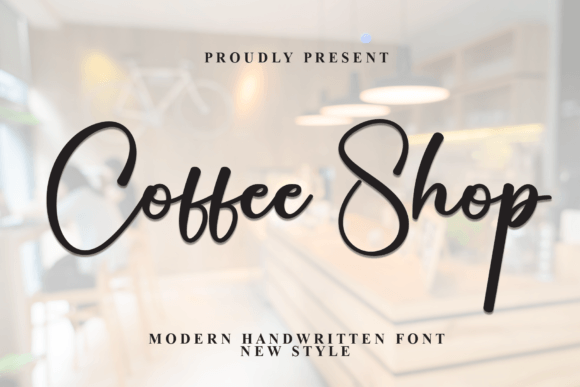
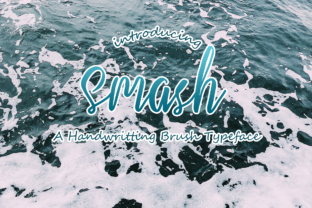
At its core, Smash is defined by its fluid, natural strokes. It captures the organic irregularity of actual handwriting, avoiding the stiff, mechanical look that plagues many script fonts. The letterforms connect in a way that mimics natural pen flow, creating a rhythm that guides the eye across the page. This isn't a chaotic, unreadable scrawl; it is a carefully crafted handwritten font where legibility is paramount. The weight of the stroke is balanced, providing enough contrast to stand out against both light and dark backgrounds. Whether you are using it for a large headline or a sub-header, the font retains its character, making it an excellent choice for logo design and brand identity work.
What makes Smash particularly effective is its versatility in tone. Depending on the context, it can feel playful and energetic or sophisticated and intimate. This adaptability makes it a premium font choice for designers who need a single typeface to handle multiple moods. Unlike rigid sans serif font families, Smash brings warmth to the page. It invites the viewer in, making it perfect for projects that require a personal connection with the audience.
Practical Applications: Where Smash Shines
The true test of any typeface is how well it performs in real-world scenarios. Smash excels in environments where you need to grab attention quickly and convey a message with personality. It is a powerhouse for greeting cards, posters, and packaging design. Imagine a coffee bag label or a boutique candle box; using Smash for the product name instantly communicates a handcrafted, artisanal quality that generic fonts cannot replicate.
For entrepreneurs and small business owners, this font is a secret weapon for social media graphics. In a crowded feed dominated by standard system fonts, a handwritten script like Smash stops the scroll. It is highly effective for quotes, call-to-actions, and sale announcements. Furthermore, it works beautifully for editorial design, particularly for magazine covers or blog headers where you want to establish a distinct voice.
Here are a few specific areas where Smash proves invaluable:
- Branding and Logo Design: Ideal for lifestyle brands, bakeries, fashion labels, and creative agencies looking for a signature look.
- Digital and Web Design: Use it for hero section headers or button text (at appropriate sizes) to break the monotony of standard web design typography.
- Print and Stationery: Perfect for wedding invitations, name plates, business cards, and thank-you notes.
- Publishing: Excellent for book covers in the romance, self-help, or young adult genres where a personal narrative is key.
Mastering Typography: Pairing and Hierarchy
Using a display font like Smash effectively requires understanding visual hierarchy. Because it is a script font, it commands attention and should generally be reserved for headlines, pull quotes, or accent text. It is not designed for long paragraphs of body copy. For the best results, pair Smash with a clean, neutral typeface. A geometric sans serif font or a classic serif font makes an excellent companion. The simplicity of the body text will allow the personality of Smash to pop without overwhelming the reader.
When testing font pairings, consider the contrast in structure. The organic, flowing lines of Smash look striking next to the rigid, grid-based structure of a sans serif. This contrast helps in establishing a clear reading order, ensuring your audience knows exactly where to look first. For marketers and content creators, this is crucial for conversion rates. A well-placed Smash header draws the user in, while the clean body text delivers the information efficiently.
Making the Right Choice for Your Project
Before integrating Smash into your workflow, it is wise to evaluate the specific needs of your project. Start by testing the font at the actual size it will be displayed. While Smash boasts great readability, all script fonts benefit from ample white space. Ensure your line height and letter spacing are adjusted so the ascenders and descenders of the letters don't clash.
Pay attention to the specific features included with the font family. Many premium fonts, including Smash, offer stylistic alternates or ligatures. These features allow you to customize the look of specific letters, ensuring that your typography feels unique rather than generic. If you are using it for a brand identity, taking the time to explore these options can help you create a logo that stands out from competitors using the same typeface.
Finally, always verify the licensing. If you are a designer working on a commercial project or a publisher releasing a product, ensure you have the appropriate commercial license for the font. This protects your work and ensures you can use the asset legally across all mediums, from digital ads to printed merchandise.
The Verdict on Modern Script Typography
In a digital landscape often dominated by cold, corporate aesthetics, Smash offers a refreshing return to the human element. It is a creative font that solves the common problem of finding a handwritten style that doesn't look childish or illegible. Whether you are designing a wedding invitation, branding a new startup, or creating engaging content for social media, Smash provides the tools to make your work feel personal, professional, and visually compelling. It proves that a handwritten font