Why Coffee Shop Script is the Go-To Font for Elegant Design Projects
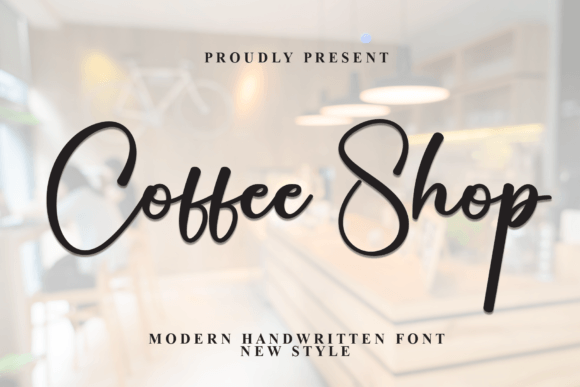
There’s a certain magic in a font that feels personal. In a world saturated with clean, geometric sans serifs and predictable serifs, a typeface with authentic character stands out. Coffee Shop is exactly that—a premium script font that captures the fluid, elegant motion of skilled hand-lettering. It’s not just another script; it’s a design asset that brings warmth, sophistication, and a distinctly human touch to your work.
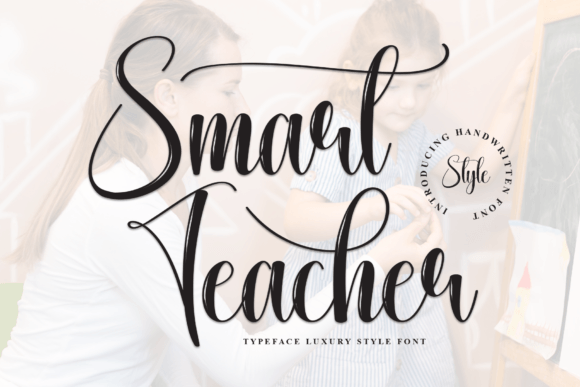
Visually, Coffee Shop is a masterclass in balance. It features graceful, flowing strokes that mimic a calligrapher’s pen, with just the right amount of contrast between thick and thin lines. The letterforms connect naturally, creating a seamless, rhythmic flow that feels both spontaneous and considered. Its personality is stylish and incredibly elegant, yet it avoids being overly ornate or difficult to read. This makes it a versatile creative font suitable for a wide range of applications where a handwritten touch is desired without sacrificing clarity.
Where This Script Font Truly Shines
The real strength of a typeface like Coffee Shop lies in its application. It’s a display font at heart, meaning it’s designed for headlines, logos, and short bursts of impactful text rather than long paragraphs. Understanding this is key to using it effectively in your projects.
For brand identity, this font is a game-changer. Imagine it on a boutique bakery’s logo, a wedding planner’s business cards, or the branding for a high-end skincare line. It immediately communicates a sense of care, craftsmanship, and luxury. In packaging design, it can elevate a product, making it feel artisanal and premium. On a coffee bag, a candle label, or a gourmet food item, Coffee Shop adds that coveted handmade quality.
Its applications extend beautifully into editorial design and publishing. Use it for chapter headings in a cookbook, pull quotes in a lifestyle magazine, or the title on a book cover. For web design, it can be a stunning accent for hero sections, special announcements, or “About Us” page headers, provided it’s used sparingly and paired with a highly legible body font. The digital space is where it also excels in social media graphics. Think Instagram story titles, Pinterest pins for recipes or quotes, and promotional graphics for events—places where you need to grab attention and convey personality in an instant.
Of course, its classic use cases remain timeless: wedding invitations, thank you cards, and personalized stationery. Here, Coffee Shop doesn’t just convey a message; it sets the entire emotional tone for the event, promising elegance and personal attention to detail.
Integrating Coffee Shop Into Your Design Workflow
Choosing a font is more than just picking something that looks nice. It’s a strategic decision that affects readability, visual hierarchy, and brand perception. Here’s how to approach Coffee Shop practically.
First, evaluate the project fit. Is the goal to feel luxurious, personal, and elegant? If you’re designing for a law firm or a tech startup, this script font might not be the right fit. But for a creative entrepreneur, a blogger, a craft business, or a marketer in the lifestyle space, it could be perfect. Always consider your audience. Adults aged 20-50 often respond well to designs that feel authentic and stylish, which this font delivers.
Next, master font pairing. A script font should rarely stand alone. Its intricate details can become overwhelming in large blocks. The key is contrast. Pair Coffee Shop with a clean, simple sans serif font for body text. Fonts like Montserrat, Lato, or Open Sans provide a neutral, readable foundation that lets the script headline pop. Alternatively, a classic serif font like Georgia or Libre Baskerville can create a more traditional, literary pairing. The goal is to create a clear visual hierarchy where the script draws the eye to key information, and the supporting font handles the details.
Before finalizing your design, test thoroughly. Check the readability at the size you intend to use it. Does the letter spacing (tracking) look balanced? Are there any awkward connections between specific letter combinations? Most premium font families include different styles—look for alternates, swashes, or stylistic sets within the Coffee Shop package. These extras allow you to customize the look further, ensuring your design feels unique. Finally, always review the licensing. If you’re using it for a commercial project—a client’s logo, a product you sell, or marketing materials—ensure you have the correct commercial font license. This is a critical step that protects both you and the font designer.
In the end, a typeface like Coffee Shop is more than just a collection of letters. It’s a tool for storytelling. Used thoughtfully, it can transform a mundane design into something memorable, build instant brand recognition, and create a genuine connection with your audience. It’s the kind of creative font that, when used right, makes people stop scrolling and take a second look.