Audiography: A Handwritten Font for Modern Creators
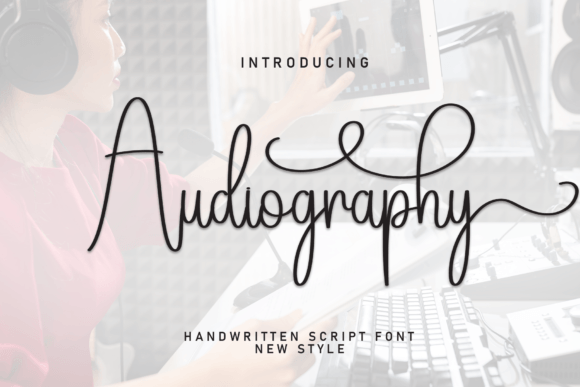
There's a particular kind of warmth that only a handwritten font can bring to a design. It's the feeling of a personal note, a quick sketch in a notebook, or a signature that feels truly human. Audiography is a typeface built on that very feeling. It’s a modern script font that captures the fluid, casual elegance of a natural hand, but with the polish and consistency needed for professional projects. Forget the stiff, overly formal scripts of the past; this is a font that feels like a conversation.
At its core, Audiography is defined by its cohesive, flowing strokes. The letters connect in a way that feels organic, not forced, creating a rhythm that guides the eye smoothly across a line of text. Its personality is friendly, approachable, and effortlessly stylish. It doesn't shout for attention but rather invites the viewer in with a confident, relaxed charm. This makes it an incredibly versatile creative font, suitable for everything from a heartfelt wedding invitation to the logo of a modern boutique.
Where Audiography Truly Shines: Practical Applications
Understanding a font's personality is one thing, but knowing where to apply it is where the real value lies. Audiography excels in projects where you want to inject a human touch without sacrificing clarity or professionalism. Its strength is in its ability to bridge the gap between personal expression and commercial viability.
Branding and Identity
For logo design and brand identity, Audiography is a powerful tool for businesses that want to appear personable and authentic. Think of a local coffee roaster, an artisan bakery, a freelance photographer, or a lifestyle blogger. Using Audiography in the primary logo or as a secondary script font for taglines immediately communicates a brand story centered on craft, care, and individuality. It helps build a brand identity that feels relatable and human, which is a significant asset in a crowded market.
Marketing and Digital Content
In the digital space, standing out is everything. Audiography can elevate social media graphics by adding a layer of personal flair to quotes, announcements, and call-to-action overlays. On a website, it works beautifully for hero section headings, pull quotes in editorial design, or button text to draw the eye. Its fluid nature also makes it a candidate for animated text in short video content, adding dynamic personality. As a display font, it's meant for impact, not for body copy.
Print and Packaging
The charm of a script font like Audiography translates perfectly to print. Imagine it on packaging design for a small-batch product, where it can convey the artisan's touch. It's ideal for greeting cards, thank-you notes, book covers (especially in romance or contemporary fiction), and magazine headlines. The key is to use it strategically for headlines, subheadings, or accent text where its personality can be appreciated without compromising the readability of longer passages.
Working With Audiography: A Practical Guide
Choosing a premium font is an investment, and using it effectively requires more than just dropping it into a design file. Here’s how to get the most out of Audiography in your projects.
Evaluate the Project Fit: First, consider the project's tone. Is it casual, celebratory, or sophisticated? Audiography fits the first two perfectly. For a corporate financial report, it would be out of place. For a wedding stationery suite or a creative agency's portfolio, it's a superb choice. Always match the font's voice to the project's message.
Master the Font Pairing: A handwritten font rarely works alone in professional design. The magic happens in the pairing. Audiography's flowing, informal nature makes it a perfect partner for clean, structured sans serif font or a classic serif font. Use Audiography for the main headline to grab attention, then set your body text in a highly legible sans serif like Open Sans, Lato, or a friendly serif like Merriweather. This contrast creates a clear visual hierarchy and ensures your message is both engaging and easy to read.
Check the Character Set and Styles: Before purchasing, always review the font's full character map. Does it include the ligatures and alternate characters that give handwritten fonts their authentic, non-repetitive look? Does it have the necessary punctuation and currency symbols for your market? Understanding the included styles—like a bold or italic variant—can expand its utility across a design asset library.
Prioritize Readability: This is non-negotiable. While Audiography is crafted for legibility, all script fonts require careful testing. Always check how it renders at different sizes, especially smaller sizes for web or print. Test it against various backgrounds—light, dark, and textured—to ensure it remains clear. The goal is professionalism, and nothing undermines that faster than text people struggle to decipher.
Understand Commercial Licensing: If you're using Audiography for client work, merchandise, or a business logo, you must have the correct commercial font license. Most premium font foundries offer different license tiers (desktop, web, app, e-pub). Ensure your license covers all your intended uses to avoid legal issues down the line. This is a fundamental part of respecting the craft and protecting your work.
Audiography is more than just a collection of letters; it's a design tool for adding soul to a project. Its real-world value lies in its ability to make digital and print communications feel more genuine, more personal, and ultimately, more engaging. By applying it thoughtfully and pairing it with the right typographic partners, you can leverage its modern charm to create memorable designs that truly connect with your audience.