Usually: A Script Font That Elevates Your Designs
In the crowded world of digital design, finding a typeface that feels both personal and polished is a challenge. Many script fonts lean too far into casual scrawl or overly formal calligraphy, missing the sweet spot of modern elegance. This is where the Usually font distinguishes itself. It’s a premium font that masterfully blends the warmth of a handwritten font with the refined curves of a sophisticated display font, creating a visual voice that is both approachable and unmistakably stylish.
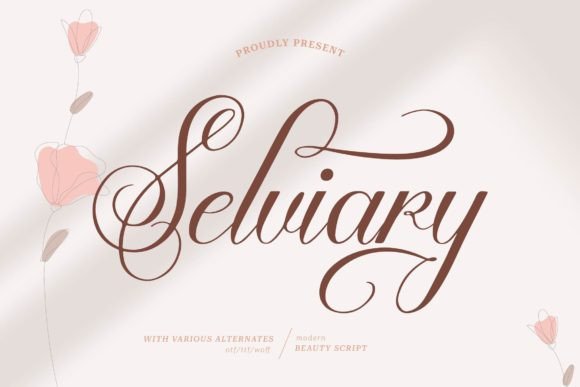
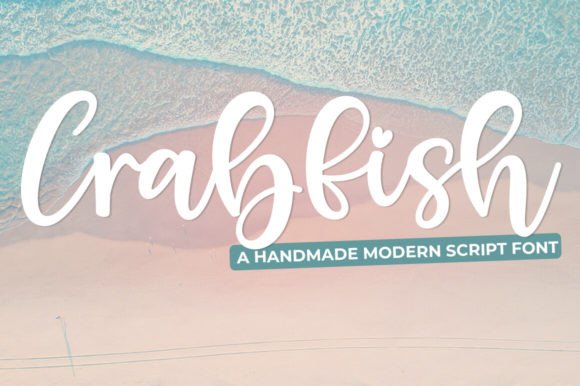
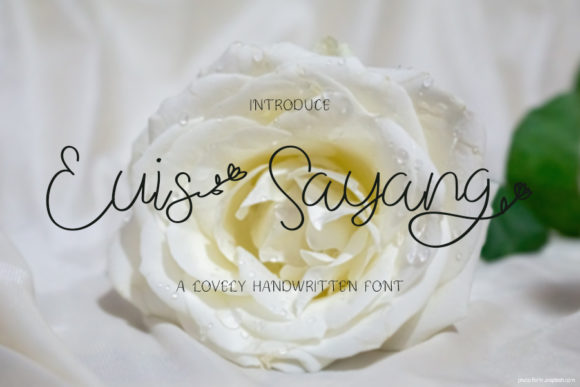
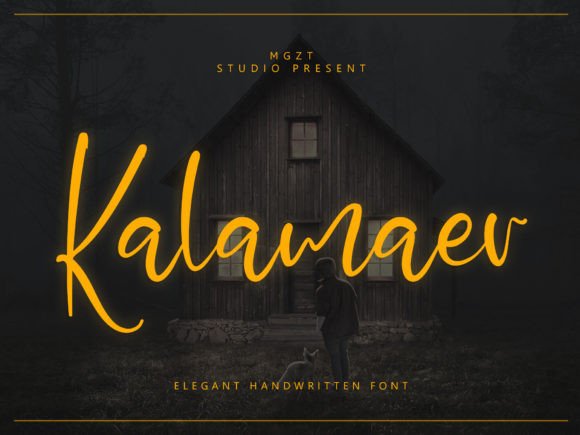
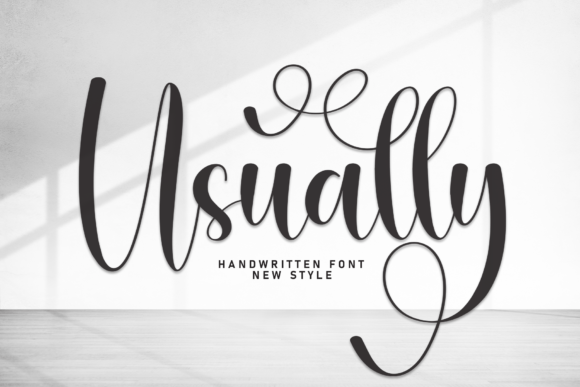
At its core, Usually is a creative font designed for impact. Its visual personality is defined by flowing, connected letterforms that mimic the natural rhythm of hand-lettering. You’ll notice subtle variations in stroke weight and elegant swashes that add a touch of artistry without overwhelming the text. Unlike rigid typefaces, Usually has a relaxed yet confident posture, making it perfect for projects that demand a human touch. It avoids the overly ornate flourishes that can sacrifice legibility, striking a crucial balance between decorative appeal and functional clarity. This makes it an exceptionally versatile script font for a wide array of applications.
Where Does This Script Font Truly Shine?
The true strength of Usually lies in its adaptability across different mediums and project types. Its elegant character makes it a natural fit for special occasions and personal branding. Think of wedding invitations, save-the-date cards, or thank you notes where a handwritten font conveys intimacy and care. For entrepreneurs and small business owners, it injects personality into brand identity materials. A logo design incorporating Usually can communicate a boutique, artisanal, or luxury feel, depending on the context and pairing. It’s equally effective on business cards, product packaging, and social media graphics, where it helps a brand stand out with a distinct, personal voice.
Beyond personal use, this typeface excels in editorial and digital design. In publishing, it can be used for pull quotes, chapter headings, or cover titles in magazines and books, adding a layer of sophistication to the layout. For bloggers and content creators, using Usually for featured images or key callouts can dramatically improve visual hierarchy and audience engagement. Its performance in web design is noteworthy when used strategically—for instance, in hero section headlines or promotional banners—where its display qualities can be appreciated without compromising the readability of body text. The key is understanding its role as a headline or accent font, not a workhorse for long paragraphs.
Making It Work: Practical Guidance for Designers and Creators
Choosing a font like Usually is just the first step; implementing it effectively is what brings a project to life. A critical consideration is font pairing. Because Usually is a expressive script font, it pairs best with cleaner, more neutral typefaces. A classic combination is with a simple serif font for body text, which offers a timeless contrast. Alternatively, pairing it with a geometric sans serif font creates a more contemporary and balanced look. The goal is to let Usually be the star of the show in headlines while supporting text remains highly legible. Always test your pairings in context to ensure the visual hierarchy is clear and the overall aesthetic feels cohesive.
Before diving into a project, take time to explore the full range of what the Usually font family offers. Many premium fonts include stylistic alternates, ligatures, and additional swashes that provide even more creative control. Reviewing the included styles and OpenType features allows you to customize letterforms for unique applications, ensuring your designs feel tailored rather than templated. From a practical standpoint, always consider the medium. For print projects like packaging design or business cards, test the font at the actual size to confirm readability. For digital use, ensure it renders well on various screen sizes and resolutions.
Finally, understanding the licensing of any commercial font is non-negotiable. Usually is a professional design asset, and its license typically covers specific uses. Whether you’re a freelance designer creating client work or a business owner developing your own brand identity, ensure your intended use—be it for a logo, website, or printed merchandise—aligns with the font’s license agreement. This due diligence protects your work and respects the intellectual property of the font’s creators. By thoughtfully integrating Usually into your toolkit, you gain more than just a pretty typeface; you gain a powerful element for storytelling, capable of elevating your designs from ordinary to memorable.