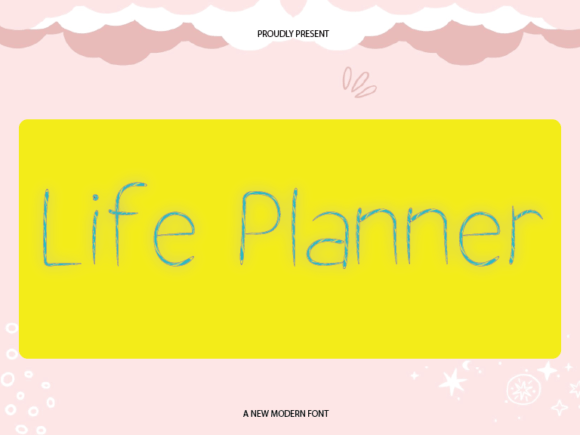
Life Planner: A Font That Feels Like a Friendly Conversation
There's a particular kind of magic in typography that doesn't shout. It sits comfortably, invites you in, and communicates with a quiet confidence. That's the essence of the Life Planner typeface. It’s a script font, but not the kind that feels overly formal or difficult to read. Instead, it blends the casual warmth of handwriting with a clean, structured foundation. Think of it as the font equivalent of a well-organized notebook—practical, approachable, and subtly personal. Its balanced proportions and simplified letterforms make it incredibly versatile, bridging the gap between a display font for impact and a workhorse for longer, friendly text.
Where This Creative Font Truly Shines
Understanding a font's personality is one thing; knowing where to deploy it is where the real strategy comes in. Life Planner excels in projects that aim to connect on a human level. It’s a natural fit for brand identity work where the goal is to feel relatable and trustworthy. Imagine it on a logo for a boutique consulting firm, a wellness blog, or a handmade crafts business. It immediately sets a tone of approachability.
For editorial design, particularly in magazines, newsletters, or blog graphics, it works beautifully for pull quotes, subheadings, or featured article titles. It adds personality without sacrificing clarity. In packaging design, especially for artisanal foods, cosmetics, or stationery, Life Planner can communicate care and authenticity. It’s a premium font that feels accessible, making it perfect for products that value a personal touch.
Digital spaces are another stronghold. As a web design asset, it can be used for hero section headlines, call-to-action buttons, or email subject lines to increase engagement. Its friendly vibe is ideal for social media graphics, where standing out in a fast-scrolling feed requires both warmth and instant readability. For entrepreneurs and small business owners, using this creative font across their digital presence can build a consistent, recognizable brand voice that feels like a conversation rather than a broadcast.
The Practical Side: Making Life Planner Work for You
Choosing the right typeface is a practical decision as much as an aesthetic one. Here’s how to evaluate and implement Life Planner effectively.
Evaluate the Fit: Before you commit, consider your project's core message. Is it professional yet personal? Modern but not cold? If your aim is to project sterile corporate authority, a sans serif font might be better. But if you want to inject humanity, warmth, and a touch of creativity, Life Planner is a strong contender. Test it by setting key headlines or a short paragraph to see if it aligns with the intended emotion.
Master the Font Pairing: A script font rarely works alone in a complex layout. The key is pairing. Life Planner pairs exceptionally well with clean, neutral fonts. For body text, consider a highly legible serif font or a sans serif font with a friendly, rounded feel. This creates a clear visual hierarchy—the script font draws the eye for emphasis, while the paired font ensures readability for longer content. Avoid pairing it with another ornate or heavily stylized handwritten font, which can create visual clutter.
Check the Toolkit: A good commercial font comes with more than just the basic alphabet. Look for what’s included: alternate characters, ligatures, and multilingual support. These design assets give you flexibility. Alternates can help you avoid repetitive letter shapes in headlines, adding a more organic, custom feel. Always review the licensing terms to ensure it covers your intended use, whether for a client project, merchandise, or digital products.
Readability is Non-Negotiable: Even the most beautiful font fails if people can't read it. Life Planner’s clean lines are its strength, but always test it at the actual size it will be used. A script font set too small in a paragraph can become a strain on the eyes. Use it for its intended purpose: emphasis, titles, and short bursts of text. For body copy, let its paired companion do the heavy lifting. This approach enhances readability while maintaining the brand's stylistic signature.
Ultimately, Life Planner is more than just a set of letters; it’s a design tool for building connection. Its strength lies in its ability to feel both polished and personal, making it a valuable asset in any designer's or creator's toolkit. By thoughtfully applying it to the right projects and pairing it wisely, you can leverage its friendly character to create more engaging, memorable, and effective visual communication.