Design: The Handwritten Font for a Personal Touch
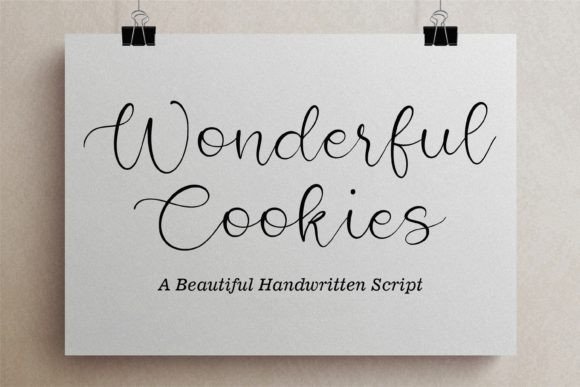
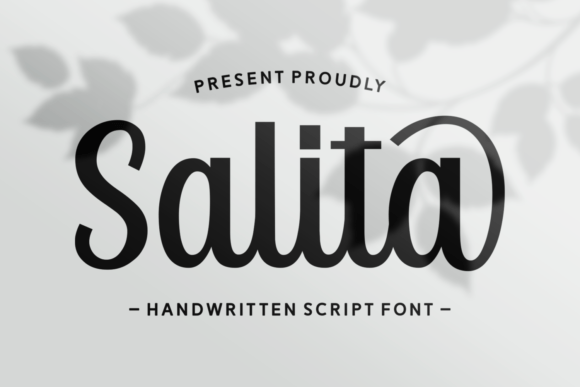
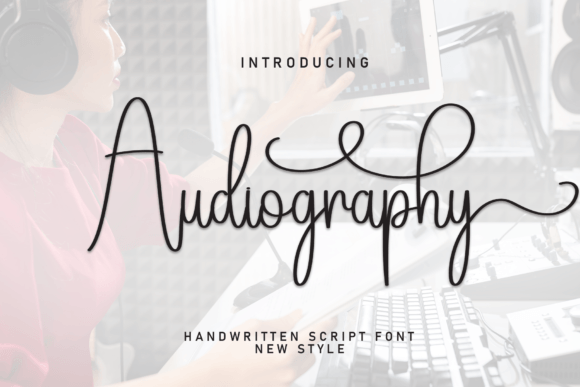
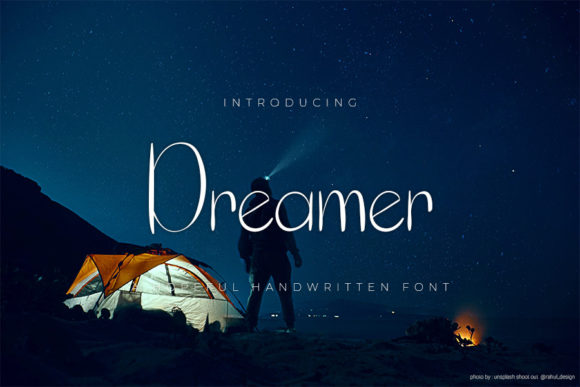
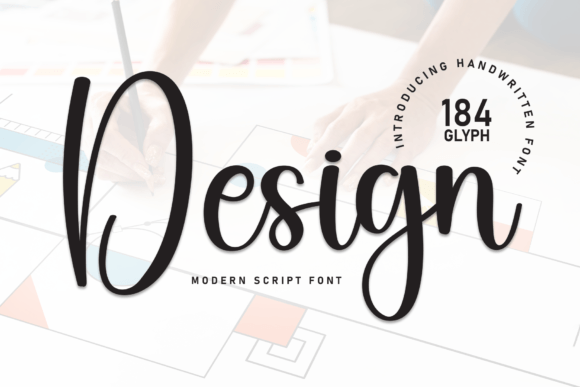
When you’re working on a project that needs to feel genuinely human, a standard sans serif or a formal serif font can sometimes create an unwanted distance. You want something that feels warm, approachable, and authentic. This is precisely where the Design font excels. It’s a modern handwritten typeface that captures the relaxed elegance of natural handwriting without sacrificing clarity or professionalism. Its fluid strokes and consistent letterforms create a friendly, cohesive look that instantly adds personality to any layout.
Where Design Truly Shines
The strength of a handwritten font like Design lies in its versatility across projects where personal connection is key. It’s not a font for lengthy body text, but it’s a powerhouse for display purposes and short, impactful copy.
For Branding and Identity: If you're building a brand identity for a boutique, a café, a craft business, or a personal blog, Design can become the cornerstone of your visual voice. It works beautifully for logotypes, taglines, and headers on business cards and packaging. It communicates care, creativity, and a hands-on approach, making it ideal for businesses that want to feel artisanal rather than corporate.
In Marketing and Social Media: On platforms like Instagram or Pinterest, where visuals stop the scroll, a creative font like Design can make your graphics stand out. Use it for quotes, call-to-action phrases, or sale announcements. Its handwritten style feels more personal and engaging than a generic typographic choice, which can help increase audience interaction and shareability.
Editorial and Publishing Design: In editorial design, such as magazine features, book covers, or blog headers, Design can add a layer of warmth and storytelling. It’s particularly effective for titles or pull quotes that you want to feel intimate and reflective, drawing the reader into the content on an emotional level.
Making Design Work for Your Project
Choosing a font is about more than just liking how it looks in a specimen sheet. You need to ensure it fits the context, performs well technically, and aligns with your project's goals. Here’s how to evaluate and implement the Design font effectively.
Evaluating Fit and Readability
First, consider the medium. A font that looks stunning on a wedding invitation might not hold up on a low-resolution mobile screen. Test Design at the actual size it will be used. Is the readability still strong at 16px on a website? Do the connecting strokes remain clear when printed small on a business card? Its modern, clean construction generally holds up well, but always run a practical test.
Font Pairing Strategies
The most professional use of a display font like Design is often in partnership with a more neutral companion. A classic font pairing strategy is to use Design for headlines and a clean, legible sans serif font or a simple serif font for body copy. This creates a clear visual hierarchy: the handwritten font draws attention and sets a tone, while the paired font ensures the longer text is effortless to read. For example, pairing Design with a geometric sans serif like Montserrat or a humanist serif like Lora creates a balanced and sophisticated look.
Checking Licensing and Styles
Before committing, check the licensing. Is it offered as a premium font with a commercial license? Ensure the license covers your intended use, whether it's for a single logo, a product line, or digital assets. Also, explore what’s included. Does the font family come with alternate characters, ligatures, or different weights? These extras can provide valuable flexibility, allowing you to refine the typographic details and avoid a repetitive look across multiple applications.
Beyond Aesthetics: The Strategic Impact
Using a font like Design is a strategic choice that influences how your audience perceives your brand. In modern typography, the typeface is a direct communicator of brand values. A handwritten font suggests approachability, creativity, and human touch. This can be a significant advantage for solopreneurs, small businesses, and creators who want to differentiate themselves from larger, more impersonal competitors. It helps build a consistent and recognizable brand identity that feels relatable and trustworthy.
Furthermore, in a digital landscape saturated with automated content, a font that mimics the human hand can subtly boost audience engagement. It feels less like a broadcast and more like a conversation. This emotional resonance is a powerful tool in web design and social media graphics, where capturing attention quickly is paramount. The key is to use it intentionally—reserving it for moments where that personal, crafted feel will have the most impact.
Ultimately, the Design font is a valuable addition to a designer's or creator's toolkit. It’s a design asset that solves a specific problem: how to inject warmth and personality into a project without compromising on professionalism. By understanding its strengths, testing its limits, and pairing it wisely, you can leverage it to create work that feels both beautiful and genuinely human.